

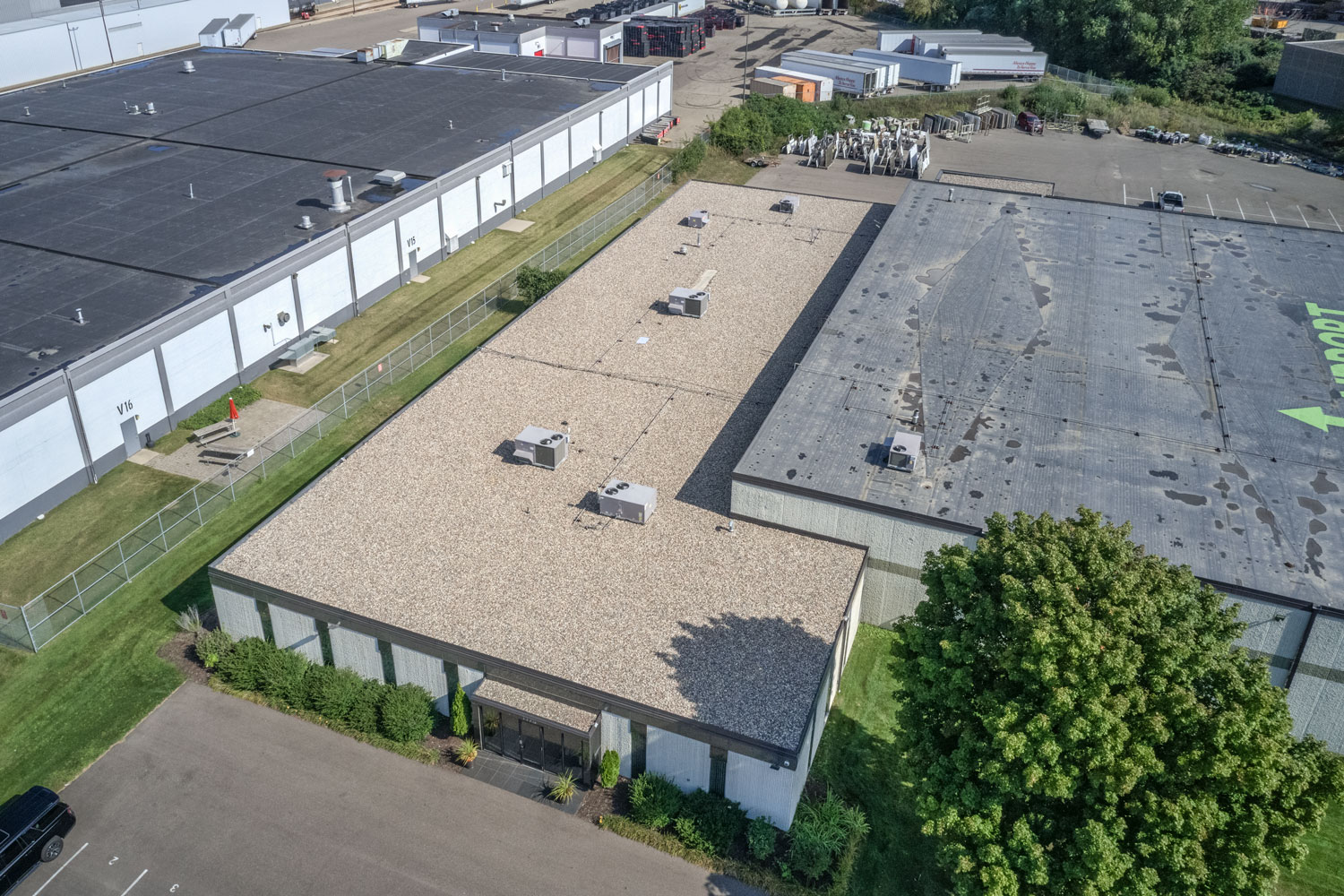
If you manage a commercial building in the Twin Cities, watching your roof closely can save you from surprise downtime, interior damage, and big repair bills. Minnesota weather accelerates roof problems, so early detection and the right professional evaluation are the difference between a targeted repair and a full replacement. Below you’ll find a balanced mix of narrative explanation and concise action steps to help facility managers, property owners, and building engineers decide when it’s time to replace a commercial roof.
Why Early Detection Matters
Rooftop problems rarely stay small. A single season of repeated freeze/thaw cycles, heavy spring melt, or a severe hail event can turn one minor defect into multiple leak sources and saturated insulation. That’s why routine monitoring, documentation, and professional moisture testing are worth the upfront investment: they preserve asset value, prevent tenant disruption, and reduce lifecycle costs.
Five Danger Signs That Point to Replacement
Below are the five most reliable indicators that a commercial roof is no longer performing as a weatherproof system. Read the short explanation for context, then follow the practical steps to take next.
1) Persistent ponding or standing water
Water that remains in depressions more than 48 hours after a rain or melt event signals a drainage problem or structural deflection. Ponding increases membrane stress, loosens fasteners, and, in snowy climates, compounds load issues during winter.
Practical steps:
-
Photograph the ponding areas and log how long water remains.
-
Measure depth and approximate square footage of the pool.
-
Schedule a drainage evaluation (tapered insulation, scupper/leader inspection, or deck deflection assessment).
-
If ponding is recurring despite repairs, begin budget planning for replacement.
2) Blisters, bubbles, and membrane delamination
Raised blisters or soft-sounding areas indicate trapped moisture or adhesive failure under the roof surface. Left unchecked, blisters rupture and become direct leak points; when they’re widespread, they often mean the membrane and underlayments are compromised.
Practical steps:
-
Mark blistered areas and note whether they reappear after repairs.
-
Ask your roofing contractor for localized repairs plus probing tests to assess membrane adhesion.
-
Request moisture scans or core cuts to determine extent of underlying moisture.
-
If blistering is extensive, add replacement to a multi-year capital plan.
3) Cracked, split, or heavily degraded membrane and flashings
A roof’s seams, flashings, and field membrane form the continuous barrier that keeps water out. If seams fail in multiple locations or flashings become brittle and cracked, patching becomes a recurring cost and the system’s integrity is lost.
Practical steps:
-
Inventory cracked seams, torn flashings, and exposed insulation.
-
Evaluate whether damage is isolated (repairable) or systemic (replacement recommended).
-
Obtain a full system survey that includes penetrations, curb conditions, and perimeter flashings.
-
When damage is systemic, replace rather than repeatedly patching.
4) Roof age, recurring repairs, and rising maintenance costs
Every roofing system has a typical service life; once a roof approaches that lifespan and repair frequency increases, the math favors replacement. Continually fixing the same areas signals diminishing returns on repairs and growing risk of failure at inopportune times (like mid-winter).
Practical steps:
-
Compile repair history and annual maintenance costs for the last 3–5 years.
-
Compare cumulative repair spend to a current replacement estimate from a trusted contractor.
-
Prioritize replacement before winter if repair costs and risk are high.
-
Consider phased replacement plans if full-funding in one year isn’t possible.
5) Insulation saturation and rising energy bills
When insulation becomes wet or compressed, you’ll see higher heating and cooling costs and potentially interior condensation or mold concerns. A roof that leaks into its insulation is no longer performing thermally or structurally.
Practical steps:
-
Request moisture testing (infrared or core sampling) to verify insulation condition.
-
If insulation is saturated across significant areas, factor insulation replacement into the roof-replacement scope.
-
Run an energy-cost comparison to show ROI for upgraded insulation during replacement.
Additional Signs and Local Considerations
Even if none of the five primary signs are fully present, these secondary cues and Minnesota-specific factors should prompt closer attention: interior ceiling stains or sagging tiles, persistent musty odors, repeated localized leaks after storms, and evidence of hail or storm damage. Minnesota’s freeze/thaw cycles, ice dams, and heavy snow loads make timely scheduling critical—major replacements are safer and more predictable in late spring through early fall.
What a Credible Professional Evaluation Should Include
A thorough evaluation helps you make a defensible decision and plan the work with minimal business interruption. A good evaluation will include:
-
A full roof survey documenting membrane, flashings, drains, and rooftop equipment impacts.
-
Moisture diagnostics: infrared scanning or core sampling to identify hidden saturation.
-
A three-option analysis: targeted repairs, overlay/partial solutions (where code and roof assembly allow), and full replacement with lifecycle cost and energy considerations.
-
A project plan outlining schedule, staging, safety measures, and tenant-impact mitigation—especially important for Twin Cities weather constraints.
Timing and Budgeting Tips for Twin Cities Buildings
Plan replacements from late spring through early fall to avoid winter complications and provide crews with predictable weather windows. If replacement must occur in colder months, require contractors to present winterization methods and cold-weather material approvals. When budgeting, include contingencies for hidden deck damage and insulation replacement—these are common cost escalators revealed by core testing.
Quick checklist you can use right now
-
Photograph and document any standing water, stains, or membrane damage.
-
Pull 3–5 years of repair invoices and create a simple repair vs replacement cost comparison.
-
Schedule a moisture scan if you suspect insulation saturation.
-
Ask potential contractors for a three-option proposal and a winter-work plan if needed.
-
Add replacement planning to your capital improvement calendar if recurring issues appear.
What Next?
If you manage a commercial property in Minneapolis, St. Paul, or the surrounding suburbs and you’re spotting any of the warning signs above, don’t wait—reach out to Mint Roofing for a professional roof evaluation. Our TopSite team will perform moisture diagnostics, provide a clear cost and lifecycle analysis, and help you choose the most cost-effective path forward for Minnesota weather. Call 952-473-8080 or request a no-obligation inspection through our contact form to schedule an on-site assessment and protect your building before small problems become expensive emergencies.
FAQs (Frequently asked questions)
How long will a commercial roof replacement take?
Medium-size projects typically take days to a few weeks; large or complex roofs take longer and winter weather can extend timelines.
Can ponding be fixed without replacing the roof?
Sometimes—adding tapered insulation or improving drains can solve isolated ponding; persistent ponding from deck deflection usually requires replacement.
Will replacing the roof reduce energy bills?
Yes, especially when you replace wet or low-R insulation with upgraded materials; pair replacement with energy modeling for ROI clarity.
When should I plan a replacement to avoid Minnesota winter issues?
Aim for late spring through early fall; if winter work is unavoidable, confirm contractor winterization procedures and materials.