

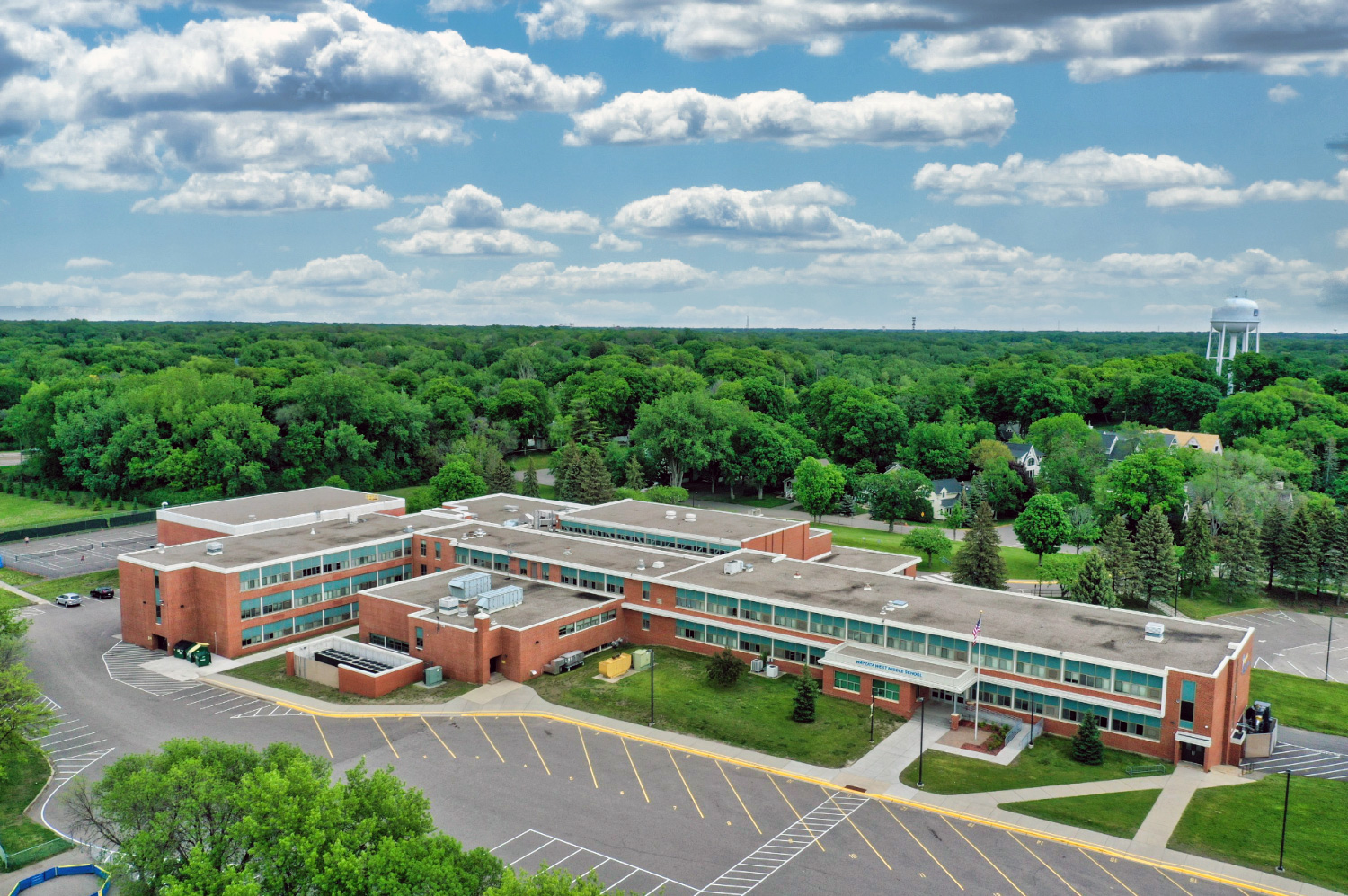
With students back in the classroom and the school year underway, now is the ideal time for administrators and facility managers to begin planning for next summer’s roofing projects.
Summer remains the best window for major flat-roof repairs or replacements: classrooms are empty, hallways are quiet, and construction can move forward with minimal disruption to students, staff, and daily operations. Planning early gives your district time to assess roof conditions, set budgets, explore options, and schedule the work before next summer’s limited construction calendar fills up.
Let’s explore the many advantages and challenges and offer practical tips for a successful project.
Advantages of Summer Roof Replacements for Public Schools
Minimal Disruption to Academic Activities
One primary benefit of scheduling roof replacements during the summer is that they minimize disruption to academic activities.
With students and teachers on break, contractors can work without worrying about interfering with classes or exams.
This keeps the learning environment undisturbed and lets the school year start on schedule with a new roof.
Favorable Weather Conditions for Roofing Work
Summer offers the most favorable weather conditions for roofing work. Warm temperatures and longer daylight hours allow contractors to complete projects more efficiently.
Weather-related delays, such as rain or snow, are also less likely, which can significantly extend a roofing project’s timeline.
Easier Access to the Building and Surrounding Areas
During the summer break, schools are typically less occupied, making it easier for contractors to access the building and surrounding areas.
This speeds up the roofing process and makes safety protocols easier to implement.
Without the daily hustle and bustle of students and staff, contractors can work more freely and efficiently.
Opportunity to Coordinate with Other Maintenance Projects
Summer is also an excellent time to coordinate roof replacement with other maintenance projects.
Whether upgrading HVAC systems or repainting classrooms, having multiple projects occurring simultaneously can be more cost-effective and less disruptive in the long run.
This holistic approach ensures that all essential maintenance tasks are addressed before the new academic year begins.
Challenges to Consider
Tight Timeline Between Academic Years
One significant challenge is the tight timeline between academic years. Schools typically have a limited window to complete major projects, and any delays could extend into the school year, causing disruptions.
Effective planning and scheduling ensure the roof replacement is completed on time.
Potential Conflicts with Summer Programs or Activities
Many schools host summer programs, camps, or activities that can conflict with roofing projects. Coordinating with program managers to minimize disruptions and ensure safety is essential.
Clear communication and scheduling can reduce these conflicts and help the roofing project and summer activities run smoothly.
Higher Demand for Roofing Services During Peak Season
Summer is the peak season for roofing services, meaning contractors are in high demand. This can make it harder to secure a reputable contractor at a reasonable price.
Early planning and booking can help mitigate this issue and ensure your project is prioritized.
Possible Budget Constraints at the End of the Fiscal Year
Budget constraints can also pose a challenge, especially if the project must be completed by the end of the fiscal year. Schools must carefully plan and allocate funds for roof replacement while balancing other financial obligations.
Effective budgeting and financial planning are essential to ensure the project can proceed without financial strain.
Planning for Success
Early Assessment and Budgeting
Early assessment and budgeting are critical for a successful roof replacement project. A thorough roof inspection well in advance can help identify potential issues and support accurate budgeting.
This proactive approach ensures you allocate all necessary resources without financial surprises.
Choosing the Right Roofing System for Long-Term Durability
Selecting the right roofing system is crucial for long-term durability. When choosing a roofing system, consider factors such as climate, building structure, and maintenance requirements.
Investing in a high-quality, durable roof can save money in the long run by reducing repair and maintenance costs.
Coordinating with School Administration and Facilities Management
Effective coordination with school administration and facilities management is essential for a smooth project.
Regular meetings and clear communication help keep all stakeholders aligned and address issues promptly.
A collaborative approach can help streamline the project and prevent misunderstandings.
Developing a Detailed Project Timeline
A detailed project timeline is vital for keeping the project on track. This timeline should outline all key milestones, deadlines, and responsibilities.
Regular progress reviews and adjustments help keep the project on schedule and reduce potential delays.
Maximizing Long-Term Benefits
Implementing Preventative Maintenance Programs
Implementing preventative maintenance programs can significantly extend the lifespan of the new roof. Regular inspections and maintenance can identify and address minor issues before they become significant problems.
This proactive approach helps keep the roof in optimal condition for years to come.
Enhancing Energy Efficiency with Modern Roofing Materials
Modern roofing materials can enhance energy efficiency, leading to significant cost savings. Consider materials that offer better insulation, reflectivity, and durability.
These materials can help reduce energy consumption, lower utility bills, and create a more comfortable learning environment.
Addressing Underlying Structural Issues During Replacement
Roof replacement provides an opportunity to address any underlying structural issues. A thorough inspection and necessary repairs can ensure the building’s integrity and safety.
This holistic approach ensures that the new roof is built on a solid foundation, providing security and protection for the school community.
Improving Overall Building Safety and Comfort
A new roof can improve the building’s overall safety and comfort. A new roof can create a safer, more comfortable environment for students and staff by addressing issues such as leaks, poor insulation, and structural weaknesses.
This can enhance the overall learning experience and contribute to the school’s success.
Partnering with an Experienced Commercial Roofing Contractor
Importance of Expertise in Educational Facility Projects
Partnering with an experienced commercial roofing contractor is crucial for a successful project.
Contractors with expertise in educational facility projects understand the unique challenges and requirements of school environments.
Their experience can ensure that the project is completed efficiently and to the highest standards.
Benefits of Comprehensive Roof Inspections and Analysis
Comprehensive roof inspections and analysis are essential to identify potential issues and support the project’s success.
An experienced contractor can conduct thorough inspections and provide detailed reports and recommendations.
This proactive approach ensures that all aspects of the project are addressed.
Value of Ongoing Maintenance Services
Ongoing maintenance services can extend the new roof’s lifespan and ensure optimal performance.
Partnering with a contractor that offers maintenance services can provide peace of mind and protect the investment.
Regular maintenance can identify and address minor issues before they become major problems.
Ensuring Compliance with Local Building Codes and Regulations
Compliance with local building codes and regulations is essential for any roofing project.
An experienced contractor understands these requirements and can ensure the project complies with all relevant codes and regulations, so it is completed safely and legally.
Case Study: Successful School Roof Replacement
Overview of a Recent Project
Let’s look at a recent example of a successful school roof replacement project. A private school in a Minneapolis suburb faced significant roof damage and needed a full replacement. To minimize disruptions, the project was scheduled for the summer break.
Challenges Faced and Solutions Implemented
The project faced several challenges, including a tight timeline and budget constraints. The contractor conducted a thorough assessment and developed a detailed project plan.
By coordinating with school administration and implementing efficient project management practices, the project was completed on time and within budget.
Results and Benefits for the School
The new roof improved the school’s energy efficiency, enhanced safety, and created a more comfortable learning environment.
The project also addressed underlying structural issues, ensuring the building’s integrity.
The school now enjoys long-term cost savings and a high-quality roof that will last for years to come.
Investing in the Future of Education
Long-Term Cost Savings Through Quality Roof Replacement
Investing in a quality roof replacement can lead to long-term cost savings.
Schools can reduce repair and maintenance costs by choosing the best roofing materials, hiring a commercial roofing contractor experienced in installing and replacing school roofs, and implementing preventive maintenance programs.
This investment pays off in the long run, ensuring the roof’s longevity and performance.
Creating a Better Learning Environment for Students and Staff
A new roof can create a better learning environment for students and staff. It improves insulation, addresses leaks, and enhances safety, creating a more comfortable, conducive learning space.
This can positively impact student performance and overall school success.
Protecting Valuable School Assets for Years to Come
A high-quality roof protects valuable school assets for years to come. By addressing underlying structural issues and maintaining it over time, schools can protect the building’s integrity and longevity.
This investment protects the school’s infrastructure and resources, safeguarding its future and creating a predictable budget forecast for 15 to 20 years or more.
In conclusion, summer is the ideal time for school roof replacements. Schools can complete roof replacement projects and enjoy long-term benefits by planning, coordinating with stakeholders, and partnering with experienced contractors.
Investing in a quality roof saves money and creates a safer, more comfortable learning environment for students and staff. Take the first step towards a better future for your school by planning your summer roof replacement project today.
Mint Roofing: The #1 Choice for Minnesota Schools
Mint Roofing has installed, replaced, and maintained school roofs for public and private schools and colleges for more than 75 years. That proven track record of excellence makes us the top choice for Minnesota schools. Our expert team brings extensive experience, in-depth knowledge, and a commitment to quality on every project.
Now is also the time to start planning your school’s roof replacement for the Summer of 2025. Be prepared for budget meetings by getting in front of the process today.
Contact Mint Roofing today to start creating a safer, more comfortable learning environment for your school. Invest in the future of education with Mint Roofing, where quality and expertise meet to bring you the best results.
Invest in your commercial property’s future by choosing Mint Roofing as your trusted roofing partner. Contact us now and let us exceed your expectations with our exceptional service and expertise.
Phone: 952-473-808024-Hour Line: 952-473-8181Email: info@mintroofing.comFAQs
What are the signs that a school roof needs replacement?
Common signs a school roof may need replacement include visible leaks, sagging areas, missing or damaged shingles, and excessive granule loss. Water stains on ceilings or walls also suggest underlying issues.
How often should schools conduct roof inspections?
It is recommended that schools conduct roof inspections at least once a year, ideally in the spring or fall. Schools should also inspect roofs after severe weather events to assess any damage.
What factors should be considered when choosing roofing materials for schools?
When selecting roofing materials for schools, consider durability, energy efficiency, maintenance requirements, and the local climate. Also evaluate the material’s longevity and performance in various weather conditions.
How can ongoing roof maintenance benefit schools?
Ongoing roof maintenance helps identify and address minor issues before they escalate into major problems, extending the roof’s lifespan and ensuring optimal performance. Regular maintenance can save costs by reducing the need for significant repairs.
What role do building codes play in school roofing projects?
Building codes set construction and safety standards that must be followed during roofing projects. They ensure the materials and installation methods meet specific durability and safety criteria, ultimately protecting the school community.